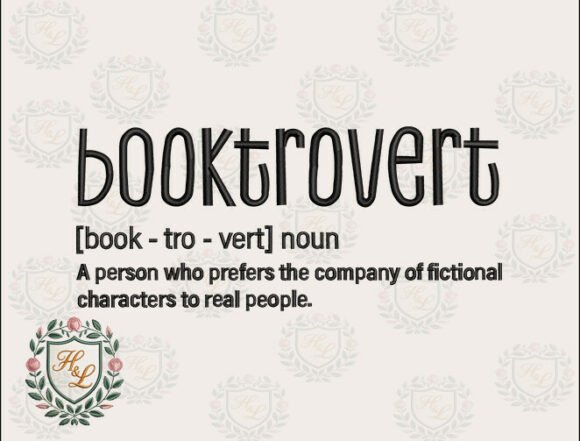
Booktrovert Embroidery Files: Bringing Professional Craftsmanship to Your Fabric Projects
There is a distinct difference between simply stitching fabric and creating a piece of art that feels professionally finished. When you are looking to elevate your handmade gifts, personalise tote bags for a market stall, or add a unique touch to home decor, the quality of your digital design is just as critical as the thread you choose. This is where Booktrovert Embroidery Files step in, offering a bridge between creative vision and tangible reality. These high-quality digital appliqué designs are designed to bring your projects to life with a polished, handmade aesthetic that machine stitching can deliver.
However, navigating the world of digital embroidery requires more than just pressing "buy." Many creators, from hobbyists to small business owners, stumble over technical misunderstandings that lead to wasted time, ruined fabric, or frustration. Understanding exactly what you are purchasing and how to prepare for it is essential before you start your next project.
Clarifying the Product: Digital vs. Physical
The most common misconception when browsing for embroidery assets is assuming the product arrives as a physical item. It is vital to understand immediately that Booktrovert Embroidery Files are purely digital downloads. You will not receive a sewn patch, a pre-stitched shirt, or any physical goods shipped to your door. Instead, you are purchasing a set of code-based instructions that tell your embroidery machine how to move its needle.
This distinction is crucial for setting expectations regarding delivery and usage. Because there is no physical inventory, there is no shipping wait time. Once the purchase is complete, your files are available instantly. This allows for immediate gratification, but it also means you must be ready to work. If you do not own an embroidery machine or the necessary software to interpret these files, this product cannot be used. The design exists only in the digital realm until your machine brings it to life on fabric.
Selecting the Right Size for Your Project
One area where beginners often make poor choices is failing to match the design size to their specific application. A design that looks perfect on a large pillow might look lost on a child's t-shirt, while a tiny motif could get lost on a canvas tote bag. Booktrovert Embroidery Files address this by providing five distinct size options, ensuring flexibility across various materials.
- Size 1 (3.8 Inch): Ideal for delicate items like baby clothes, pocket patches, or small accessories.
- Size 2 (4.8 Inch): A versatile choice for standard t-shirts and hats.
- Size 3 (5.8 Inch): Perfect for larger garments, backpacks, or decorative pillows.
- Size 4 (6.8 Inch): Best suited for statement pieces like aprons, large wall hangings, or heavy-duty bags.
- Size 5 (7.8 Inch): Designed for maximum impact on large canvases or commercial displays.
Before downloading, measure your target fabric area carefully. Do not assume the default size will fit. Using a design that is too large for your hoop can cause stitching errors or require you to split the design into multiple sections, which complicates the process and may result in visible seams. Conversely, a design that is too small fails to make the visual impact you intended.
Ensuring Compatibility Across Machines and Software
Another frequent pitfall involves file formats. Not all embroidery machines speak the same language. Older models or specific brands often require proprietary file extensions, while newer systems support a wider range. If you buy a file format your machine cannot read, the design is useless, regardless of how beautiful the artwork is.
The strength of Booktrovert Embroidery Files lies in their comprehensive inclusion of major formats. The download package includes DGT, DST, EXP, HUS, INF, JEF, PES, VP3, XXX, and PDF files. This extensive list covers almost every popular brand on the market, including Brother, Janome, Bernina, Singer, Husqvarna, and Babylock. By providing such a wide array of formats, the creator ensures that you likely already have the correct file type without needing to perform complex conversions.
If you are using older software or a vintage machine that does not support one of these native formats, you may need conversion tools. However, starting with a source file that matches your hardware eliminates the need for third-party conversion, reducing the risk of corrupted stitches or misaligned layers. Always check your machine's manual or manufacturer website to confirm which file types it natively supports before finalising your purchase.
Avoiding Common Application Mistakes
Even with the correct file and size, the execution of the stitch can vary wildly based on preparation. A common error is attempting to stitch directly onto thick or unstable fabrics without proper stabilisation. Appliqué designs, in particular, rely on the fabric holding its shape during the stitching process. Without adequate backing stabiliser, the design can pucker, shift, or tear the fabric entirely.
To ensure professional results, always test your design on a scrap piece of the same fabric before working on your final project. This "test run" allows you to adjust the tension, hoop tightness, and stabiliser type. It also gives you a chance to verify that the chosen size looks balanced on the actual material texture. Skipping this step often leads to wasted materials and discouragement, especially for those running small businesses where customer satisfaction is paramount.
Evaluating Usability for Business and Personal Use
For entrepreneurs and freelancers, efficiency is money. Booktrovert Embroidery Files are marketed as ideal for personal projects, gifts, and small handmade business items. This versatility makes them a smart investment for anyone looking to diversify their product line without investing in expensive custom digitising services. However, users should remain aware of licensing terms if they plan to sell the finished products.
While the files themselves are digital, the resulting physical items are yours to sell, provided you adhere to the seller's terms of service. Ensure you understand the scope of the license—some designs allow for unlimited commercial use, while others may restrict the number of units sold. Being clear on these details prevents legal issues down the line.
Furthermore, consider the learning curve. If you are new to embroidery, the sheer variety of settings on modern machines can be overwhelming. Start with the largest size option first; larger designs are generally more forgiving of minor tension inconsistencies than tiny, intricate details. As you gain confidence, you can experiment with smaller sizes and different fabric combinations.
Making the Right Choice for Your Creative Journey
Ultimately, the decision to invest in digital embroidery designs should be driven by a clear understanding of your goals and capabilities. Booktrovert Embroidery Files offer a robust solution for adding a professional touch to fabric projects, provided you approach them with the right mindset. By verifying your machine compatibility, selecting the appropriate size for your specific application, and preparing your workspace correctly, you can avoid the common pitfalls that plague many DIY enthusiasts.
Remember that the quality of the final output is a combination of the digital file, the machine's precision, and the operator's skill. Treat the download as a tool in your toolkit rather than a magic button. With careful planning and attention to detail, these files can transform simple fabrics into cherished keepsakes or profitable merchandise, bridging the gap between digital creativity and physical craftsmanship.