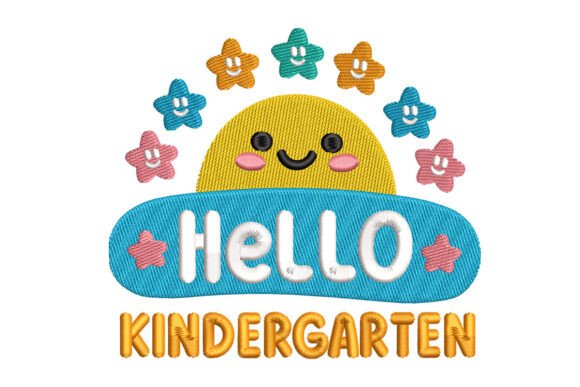
Kindergarten Back to School
There is a specific kind of magic that happens when the summer heat begins to fade and the air turns crisp with anticipation. For many, this season is defined by Kindergarten Back to School, a theme that captures the excitement of new beginnings, colorful backpacks, and the first day of learning. However, for the creative entrepreneur or the hobbyist looking to capitalize on this moment, simply having a design isn't enough. You need a tool that translates that digital concept into a tangible product that feels personal and professional.
This is where enhancing your fabrics with a dash of character becomes essential. Whether you are crafting custom t-shirts for a classroom, creating personalized towels for a daycare gift basket, or adding artistic touches to home decor items, the quality of your embroidery matters. A trendy embroidery design serves as the bridge between a generic item and something that tells a story. When you choose a design intended for machine use, you aren't just buying a pattern; you are investing in efficiency, consistency, and the ability to scale your creativity without losing that handmade charm.
The Hidden Pitfalls of Choosing Embroidery Designs
Many creators rush into the world of machine embroidery assuming that any file labeled "Kindergarten Back to School" will work seamlessly on their equipment. This assumption often leads to frustration, wasted thread, and damaged fabric. The most common mistake involves overlooking the compatibility of file formats. Not all embroidery machines speak the same language. While some modern machines accept universal formats like .DST or .PES, older models may require proprietary files. If you purchase a design without verifying which format supports your specific machine, you might find yourself staring at an error message right before a deadline.
Another frequent oversight is ignoring the density and stitch count of the design. A design that looks perfect on a screen can become a tangled mess if it contains too many stitches for the fabric type you are using. Heavy stitching on thin cotton or delicate polyester can cause puckering, distorting the image so severely that the cheerful characters lose their appeal. This not only ruins the physical product but also impacts your reputation if you are selling these items to parents or schools. The result is a garment that looks amateurish rather than professionally finished.
Furthermore, many buyers fail to check the hoop size limitations. A design that fits perfectly on a 4x4 inch hoop might be too large for a standard hat clipper or a small towel hem. Attempting to force a large design onto a small area requires breaking the design into sections, a process that increases the risk of misalignment and visible seams. This lack of planning can double your production time and significantly increase material costs due to trial and error.
Evaluating Quality Before You Download
To avoid these pitfalls, you must approach the selection process with a critical eye. Start by examining the multiple file formats included with the design. A high-quality package should offer versatility, providing formats that cover major brands like Brother, Janome, Bernina, and Husqvarna Viking. This ensures that whether you are using a single machine or a fleet of them in a busy workshop, you have the flexibility to produce consistent results. Look for descriptions that explicitly state "multiple file formats" rather than vague promises of compatibility.
Next, consider the complexity of the design relative to your skill level. If you are a beginner, a design with intricate details and tiny text might be overwhelming. Instead, look for designs that feature bold lines and clear shapes, which are easier to stabilize and less prone to shifting during the stitching process. For professionals, the focus should be on the underlay stitches. Good designs include optimized underlays that prevent the fabric from moving, ensuring that the final product sits flat and smooth. If the description lacks technical details about stabilization or recommended fabrics, proceed with caution.
It is also vital to test the design on scrap fabric before committing to a final project. This simple step allows you to adjust the tension settings and see how the threads interact with the material. You might discover that a specific color combination creates a muddy effect or that the speed needs to be reduced to maintain precision. By testing first, you save money on materials and protect your reputation for delivering high-quality goods.
Maximizing the Potential of Your Designs
Once you have selected a robust design, the real value comes from how you apply it. The goal is to add a cheerful and artistic touch wherever you need it, transforming ordinary items into memorable keepsakes. Think beyond the standard t-shirt. Consider placing the design on canvas tote bags for school supplies, embroidered patches for denim jackets, or even monogrammed pillowcases for a nursery. The versatility of these designs allows you to tap into various markets, from educators looking for classroom rewards to parents wanting personalized gifts.
When working with home decor, pay attention to the texture of the fabric. Embroidery adds dimension, so pairing a textured design with a smooth background can create a striking contrast. Conversely, try to match the weight of the thread with the weight of the fabric. Heavy-duty thread on flannel might look out of place, while fine thread on heavy canvas might get lost. Balancing these elements ensures that the character of the design shines through without being overwhelmed by the material.
For those running a small business, consistency is key. Using a design that comes with multiple file formats means you can replicate your best-selling products across different machines without re-digitizing or paying for additional conversions. This efficiency reduces overhead costs and allows you to fulfill orders faster. It also means that if one machine goes down for maintenance, you can switch to another without missing a beat, keeping your production line moving smoothly.
Making the Right Choice for Your Needs
Before making a final decision, take a moment to assess your workflow. Do you need a design that is quick to stitch to meet tight deadlines? Or do you prioritize intricate detail for premium products? Understanding your priorities will guide you toward the right option. Also, verify the licensing terms. Some designs are intended for personal use only, while others allow for commercial sales. Ensuring you have the proper rights prevents legal issues down the road and gives you peace of mind to sell your creations confidently.
Ultimately, the success of your projects depends on preparation and informed choices. By avoiding common mistakes regarding file formats, fabric compatibility, and hoop sizes, you ensure that every piece you create meets the highest standards. Embrace the opportunity to enhance your fabrics with a dash of character, turning the excitement of the Kindergarten Back to School season into a profitable and fulfilling endeavor. With the right tools and a bit of foresight, you can create items that bring joy to children and satisfaction to adults alike.