Outlined Dashed Tracing: A Practical Guide to Engaging Handwriting Practice
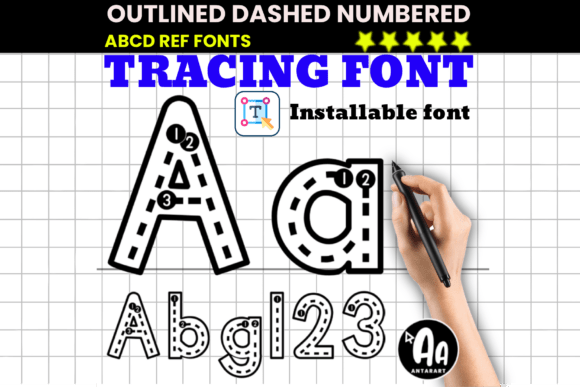
There is a specific kind of magic that happens when learning transforms from a chore into a creative activity. For parents, teachers, and tutors looking for effective ways to help children master letter formation, Outlined Dashed Tracing offers a unique solution that sits right at the intersection of structure and fun. This isn't just about filling in blank lines; it is about providing a visual roadmap that guides young hands through the complex dance of writing. By combining hollow letter shapes with dashed interiors and numbered stroke orders, these fonts turn abstract motor skills into concrete, manageable steps.
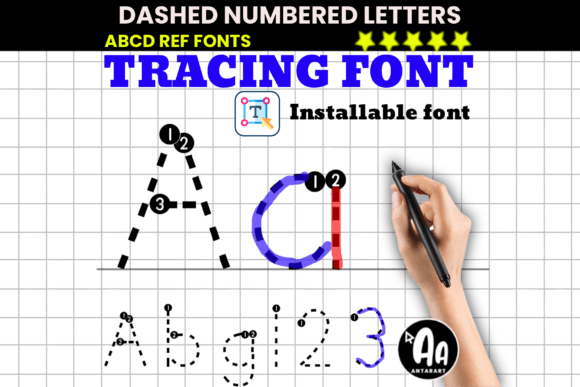
The core concept is beautifully simple yet incredibly powerful. Traditional handwriting practice often relies on solid lines or faint dotted paths, which can sometimes leave learners guessing about where to start or how much pressure to apply. The Outlined Dashed Tracing collection takes a different approach. It features hollow letter shapes that invite coloring, turning every worksheet into a mini-art project. Inside these outlines, dashed lines provide a clear path for the pen, while the numbered versions add an extra layer of precision by indicating exactly which stroke comes first. This method doesn't just teach a child to write a letter; it teaches them the rhythm and sequence of writing itself.
Bridging the Gap Between Structure and Creativity
One of the most common challenges in early education is keeping engagement high while maintaining rigorous standards for skill acquisition. Children often struggle with fine motor control, finding repetitive tracing exercises tedious or frustrating. The beauty of this font style lies in its ability to mask the repetition as play. When a student sees a large, hollow letter they can color, their brain registers the task as "art" rather than "drill work." Once they pick up the crayon or pencil, the educational benefit kicks in naturally.
This dual-purpose design is particularly effective for building confidence. A child who might be hesitant to write on a plain white page feels more secure when there are bold boundaries to stay within. The colored outline acts as a safety net, allowing them to experiment with strokes without fear of making a permanent mistake. As they trace over the dashed lines, they are simultaneously developing muscle memory and reinforcing letter recognition. The process becomes tactile and visual, engaging multiple senses to deepen the learning experience.
Real-World Applications for Educators and Parents
The versatility of these resources extends far beyond a single classroom activity. In a busy homeschool environment, for instance, creating custom materials can be time-consuming. With these fonts installed, parents can quickly generate personalized name templates or alphabet review sheets that look professional and polished. Imagine sitting down with your child to review the letters of the week; instead of hunting for generic clip art, you can instantly produce a set of worksheets where the letter 'B' is a giant, colorful shape waiting to be filled in, complete with numbered steps for perfect formation.
For classroom teachers, the utility expands even further. These fonts are ideal for crafting interactive bulletin board displays that double as teaching tools. You can create a "Letter of the Week" wall where students not only see the letter but also interact with it through tracing activities. The numbered stroke order feature is a game-changer for explicit instruction. When a teacher demonstrates a new letter on the board, she can project or print a version with the numbers clearly visible. Students can then follow along on their own papers, mimicking the exact sequence taught in class. This consistency between instruction and practice is crucial for developing proper handwriting habits.
Special education settings also benefit significantly from this approach. The clear visual cues provided by the dashed lines and numbered sequences offer scaffolding that many neurodivergent learners need to succeed. The structured guidance helps reduce cognitive load, allowing the student to focus entirely on the physical act of forming the letter. Furthermore, the option to color the letters adds a sensory component that can be calming and regulating for students who may struggle with traditional desk work.
Customizing Resources for Specific Needs
Another practical advantage is the ability to tailor content to specific developmental stages. For younger toddlers just beginning to hold a pencil, the large, hollow outlines provide ample space and clear boundaries. As students progress to older elementary grades who need to refine their cursive or print transitions, the same fonts can be used to create advanced tracing books or handwriting journals. The inclusion of numbers 0–9 means that math concepts like number formation can be reinforced alongside literacy skills, making these resources a staple for comprehensive early childhood curricula.
Teachers can also use these fonts to create back-to-school reviews that feel fresh and exciting. Instead of a standard test, students can engage with a "Tracing Challenge" where they have to follow the numbered paths to reveal hidden messages or complete a puzzle. This gamification element encourages repeated practice without the boredom often associated with remedial work. Whether it's a quick morning warm-up or a dedicated handwriting lesson, the adaptability of these fonts ensures they fit seamlessly into any schedule.
Important Considerations and Limitations
While the benefits are substantial, it is important to approach these tools with a clear understanding of their scope. The primary limitation to keep in mind is language support. These fonts are designed based on traditional school handwriting styles that prioritize English phonics and letter structures. Consequently, they do not support Spanish characters or other accented letters found in Romance languages. For educators working in bilingual classrooms or families raising multilingual children, this means you will need to supplement with other resources if you require non-Latin characters or specific diacritics.
Additionally, the effectiveness of the numbered stroke system relies heavily on consistent instruction. While the numbers provide excellent guidance, they assume a specific pedagogical approach to handwriting. If a child has been taught a different stroke order previously, the numbered guide might initially cause confusion. However, this can often be turned into a discussion point about why certain strokes come first, helping to correct ingrained habits. It is also worth noting that installation is straightforward, but users should ensure their software is compatible to avoid rendering issues when printing or editing documents.
Making Learning Stick Through Engagement
Ultimately, the goal of any handwriting resource is to build long-term skills that serve a child throughout their academic journey. Outlined Dashed Tracing achieves this by removing the friction from the learning process. By making the mechanics of writing visually accessible and enjoyable, it allows children to focus on the joy of creation rather than the struggle of execution. The combination of tracing, coloring, and following numbered steps creates a multi-dimensional learning experience that strengthens fine motor control and promotes proper writing technique.
Whether you are designing a custom curriculum, preparing a classroom decoration, or simply looking for a way to make homework time less stressful, these fonts offer a robust toolkit. They transform the mundane task of practice into an opportunity for creativity and growth. As you explore different scenarios—from editable student name tags to full alphabet lessons—you will find that the right visual aid can make all the difference in a child's confidence and capability. By choosing resources that blend structure with fun, we empower the next generation to write with ease and pride.