Retro TV Patterns
In an era dominated by ultra-high-definition streams and crystal-clear digital interfaces, there is a distinct, magnetic pull toward the imperfect. The grainy static, the drifting snow, and the sudden loss of signal that once plagued our living rooms have evolved into powerful aesthetic tools. Retro TV Patterns offer a unique bridge between the analog past and modern digital design, providing creators with authentic textures that evoke nostalgia without sacrificing professional quality.
This collection is not merely a set of images; it is a toolkit for designers, scrapbookers, and artists who wish to infuse their projects with the gritty charm of vintage technology. By integrating these patterns, you can transform flat designs into immersive experiences that resonate with audiences craving a connection to the "old school" era of television.
Understanding the Appeal of Analog Aesthetics
Why do we find comfort in the chaos of a broken signal? For many adults, the experience of watching television was defined by its unpredictability. The momentary freeze, the rolling bars, or the iconic blue screen with white noise were universal experiences that signaled a shared cultural history. Today, these elements serve as potent visual metaphors for memory, disruption, and the passage of time.
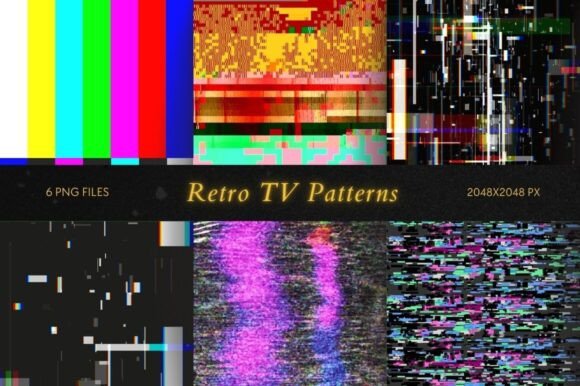
Retro TV Patterns capture this specific energy. They move beyond generic "vintage" filters that often look dated or artificial. Instead, they replicate the technical realities of cathode ray tube (CRT) displays: the specific frequency of static, the geometric distortion of signal interruptions, and the classic end-of-day test screens. This authenticity is crucial for anyone looking to create content that feels genuine rather than like a cheap costume.
Addressing the Challenge of Modern Design Homogeneity
One of the primary challenges facing contemporary designers is the overwhelming uniformity of digital assets. Stock photos and vector graphics often lack character, resulting in portfolios and marketing materials that blend together. When you need to stand out—whether you are designing a concert poster for a synth-wave band, creating a wedding invitation with a 1980s theme, or developing a brand identity for a retro-tech startup—standard textures fall short.
The goal here is differentiation through atmosphere. Retro TV Patterns solve this by introducing texture that commands attention. Unlike smooth gradients or clean lines, these patterns add depth and a tactile quality to digital spaces. They break the monotony of high-resolution perfection, reminding viewers that the best stories often come from the imperfections of the past.
Practical Applications for Creative Projects
The versatility of this collection makes it suitable for a wide array of use cases. Because the files are provided in high-resolution PNG format at 2048x2048 pixels, they are scalable enough for large-format printing while remaining lightweight for web applications. Here is how different professionals can leverage these assets:
- Digital Artists and Graphic Designers: Use the static layers as blending modes to age photographs or create surreal collages. The signal interruption patterns work exceptionally well as overlays on video content to simulate a found-footage horror aesthetic or a glitch-art style.
- Event Planners and Invitation Designers: Need a unique way to announce a 1950s diner party or a 1990s throwback event? These patterns provide the perfect background texture. They set the mood immediately, allowing guests to feel the vibe before they even read the details.
- Scrapbookers and Print Designers: For physical projects, the 2048px resolution ensures crisp prints. You can layer these patterns onto cardstock to create invitations, greeting cards, or journal covers that feature a tangible, textured look. The variety of six unique designs allows for complex compositions where one pattern might represent the "screen" and another the "noise."
- Web Developers: Implementing a subtle static overlay on a landing page can create an immediate emotional hook. It signals to the user that the site is edgy, creative, and unafraid to experiment with unconventional layouts.
Implementing Retro TV Patterns in Your Workflow
To get the most out of Retro TV Patterns, consider the context of your project. If you are aiming for a subtle nod to the past, apply the static pattern with low opacity using a "Soft Light" or "Overlay" blend mode in software like Adobe Photoshop or Affinity Designer. This technique preserves the underlying image while adding a layer of atmospheric grain.
For more aggressive styling, such as a music album cover or a festival poster, utilize the full intensity of the signal interruption patterns. These designs naturally draw the eye to the center of the composition, making them excellent framing devices for text or focal imagery. The contrast between the chaotic noise and clean typography creates a dynamic tension that is visually engaging.
Choosing the Right Pattern for Your Goal
With six unique designs included in this collection, users have the flexibility to match the specific "flavor" of retro television they wish to emulate. Not all eras of TV looked the same, and not all signal losses felt identical.
If your project requires a sense of calm but aged nostalgia, look for patterns that mimic the gentle drift of winter snow on a black-and-white screen. These are ideal for backgrounds that require readability, such as book covers or blog headers. Conversely, if you need to convey urgency, confusion, or the raw energy of a live broadcast cut short, the signal interruption patterns are the superior choice. They introduce a jagged, energetic element that disrupts the flow, much like the actual experience of a bad reception.
Consider the color palette of your final output. While these patterns are often monochromatic, they interact beautifully with both warm sepia tones and cool neon accents. A static pattern overlaid on a neon pink background creates a cyberpunk-retro fusion, while the same pattern on a cream background evokes a cozy, mid-century domestic setting.
Maximizing Nostalgia Without Sacrificing Quality
A common pitfall in retro design is overusing effects until the image becomes illegible. The key to successfully using Retro TV Patterns lies in balance. The patterns should enhance the narrative, not obscure it. Think of them as seasoning; a pinch adds flavor, but too much ruins the dish.
When working on invitations or posters, ensure that the text remains legible against the busy background. Using solid blocks of color behind text boxes, or applying a slight blur to the pattern layer, can improve readability while maintaining the aesthetic. For digital art, experiment with masking techniques to reveal parts of the pattern only in specific areas, guiding the viewer's eye through the composition.
The resolution of 2048x2048 pixels is a significant advantage for those planning to print. It eliminates the risk of pixelation when scaling up for large formats like banners or wall art. This ensures that the "grain" of the static looks intentional and artistic, rather than like a low-quality download.
Celebrating the Quirky Side of Technology
Ultimately, Retro TV Patterns are about celebrating the quirks of a bygone technological era. They acknowledge that the flaws of the past—the interference, the flickering, the loss of signal—are what made the medium human. In a world of sterile perfection, these patterns bring warmth, character, and a touch of the unknown back into our visual language.
Whether you are a seasoned graphic designer looking to refresh your portfolio, a hobbyist creating a custom birthday gift, or a business owner wanting to differentiate your brand, this collection provides the essential building blocks for storytelling through texture. By embracing the static and the signal loss, you invite your audience to pause, look closer, and perhaps remember a time when the screen was the window to a slightly less predictable world.
Start experimenting today. Layer the static, mix the signals, and let the vintage analog touch transform your next creative project into something truly memorable.